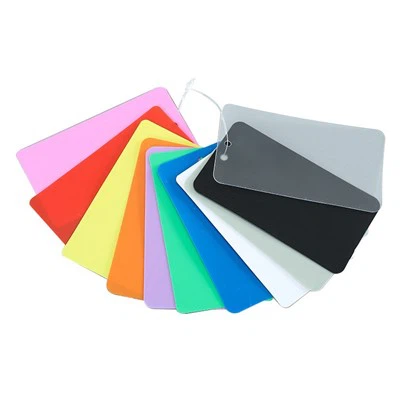

When it comes to colored PVC cards, one of the often - overlooked yet crucial aspects is the quality of their edges. As a seasoned supplier of colored PVC cards, I've witnessed firsthand how the edge quality can significantly impact the overall appeal, durability, and functionality of these cards.
1. Importance of Edge Quality
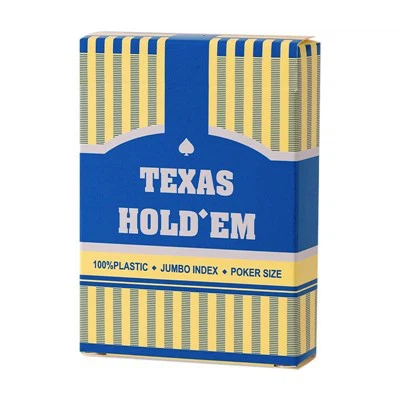
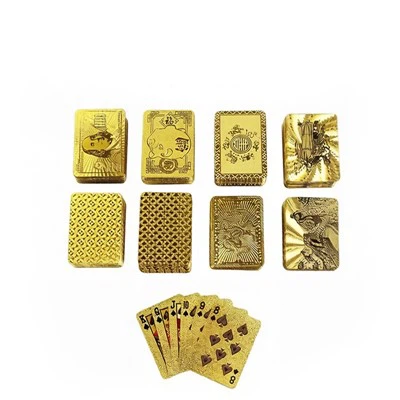
The edges of colored PVC cards serve multiple purposes. First and foremost, they contribute to the aesthetic appeal of the card. A well - finished edge gives the card a polished and professional look. Whether it's a PVC Golden Card used for high - end events or a PVC Gift Playing Cards for a special occasion, a smooth and clean edge enhances the visual experience.
In terms of durability, the edge quality is vital. Poorly cut or finished edges can lead to fraying, chipping, or peeling over time. This not only reduces the lifespan of the card but also makes it look shabby. For instance, in the case of PVC Promotional Playing Cards, which are often handled frequently, a high - quality edge can withstand repeated use without showing signs of wear and tear.
Functionally, the edges of colored PVC cards can affect how they are used. Cards with rough or uneven edges may not slide smoothly in card readers or dispensers. This can cause jams and malfunctions, which is a significant problem, especially in applications where quick and efficient card processing is required, such as access control systems.
2. Factors Affecting Edge Quality
2.1 Cutting Process
The cutting process is one of the most critical factors in determining the edge quality of colored PVC cards. There are several methods of cutting PVC cards, each with its own advantages and disadvantages.
- Die - cutting: This is a traditional method where a die is used to cut the card into the desired shape. Die - cutting can produce sharp and precise edges, but it requires a custom - made die for each card design. This can be costly and time - consuming, especially for small - scale production.
- Laser cutting: Laser cutting is a more modern and flexible method. It uses a high - powered laser to cut through the PVC material. Laser cutting can create intricate shapes and designs with smooth edges. However, it can also cause some discoloration or melting of the PVC material around the edges if not properly controlled.
- Guillotine cutting: Guillotine cutting is a simple and cost - effective method for cutting large numbers of cards. It uses a sharp blade to cut through the PVC sheets. While it can produce relatively straight edges, it may not be as precise as die - cutting or laser cutting, especially for complex shapes.
2.2 Material Quality
The quality of the PVC material itself also plays a role in edge quality. High - quality PVC materials are more consistent in thickness and composition, which makes them easier to cut and finish. Inferior PVC materials may have variations in density or contain impurities, which can lead to uneven edges during the cutting process.
2.3 Finishing Treatments
After cutting, the edges of colored PVC cards can be further treated to improve their quality. Some common finishing treatments include:
- Rounding: Rounding the edges of the card can make it more comfortable to handle and reduce the risk of sharp edges causing injury. It also gives the card a more elegant and modern look.
- Beveling: Beveling creates a slanted edge on the card, which can enhance its visual appeal and make it stand out. Beveled edges are often used in high - end cards to add a touch of luxury.
- Edge painting: Edge painting involves applying a thin layer of paint to the edges of the card. This can be used to match the color of the card or to add a decorative element.
3. Assessing Edge Quality
As a supplier, I use several methods to assess the edge quality of colored PVC cards.
3.1 Visual Inspection
Visual inspection is the most basic method of assessing edge quality. I look for signs of rough edges, chipping, or unevenness. A smooth and clean edge with no visible defects is a good indication of high - quality edges.
3.2 Touch Test
The touch test involves running a finger along the edge of the card. A high - quality edge should feel smooth and free of any burrs or sharp points. If the edge feels rough or jagged, it may indicate a problem with the cutting or finishing process.
3.3 Durability Testing
Durability testing is an important part of assessing edge quality. I subject the cards to various tests, such as bending, folding, and rubbing, to see how well the edges hold up. Cards with high - quality edges should be able to withstand these tests without showing signs of damage.


4. Maintaining Edge Quality
To ensure the long - term edge quality of colored PVC cards, proper handling and storage are essential.
4.1 Handling
When handling colored PVC cards, it's important to avoid excessive bending or folding. This can cause the edges to crack or chip. Cards should be handled with clean hands to prevent dirt and oils from accumulating on the edges, which can also affect their quality.
4.2 Storage
Proper storage is also crucial for maintaining edge quality. Cards should be stored in a cool, dry place away from direct sunlight and moisture. Storing cards in a protective case or sleeve can also help prevent damage to the edges.
5. Conclusion and Call to Action
In conclusion, the quality of the edges of colored PVC cards is a critical factor that can significantly impact their overall performance and appearance. As a supplier, I am committed to providing high - quality colored PVC cards with excellent edge quality. Whether you need PVC Golden Card, PVC Gift Playing Cards, or PVC Promotional Playing Cards, I can offer you the best solutions.
If you are interested in purchasing colored PVC cards, I invite you to contact me for more information and to discuss your specific requirements. We can work together to ensure that you get the cards that meet your needs and exceed your expectations.
References
- "PVC Card Manufacturing: A Comprehensive Guide", Industry Research Report, 2023
- "Edge Finishing Techniques for Plastic Cards", Journal of Material Science, Vol. 15, Issue 3, 2022