
The history of promo playing cards is a fascinating journey that intertwines with the evolution of playing cards themselves, marketing strategies, and cultural shifts. As a supplier of Promo Playing Cards, I've had the privilege of delving deep into this rich history and understanding how these unique cards have become an essential part of promotional campaigns.
The Origins of Playing Cards
Playing cards have a long and storied history that dates back centuries. The exact origin of playing cards is somewhat debated, but many historians believe they originated in China during the Tang Dynasty (618 - 907 AD). These early cards were likely used for games and entertainment, much like they are today.
From China, playing cards spread to the Islamic world and then to Europe in the 14th century. In Europe, playing cards underwent significant changes in design and symbolism. The suits we are familiar with today - hearts, diamonds, clubs, and spades - were standardized in France in the 15th century. These suits were inspired by the four classes of medieval society: clergy (hearts), nobility (spades), merchants (diamonds), and peasants (clubs).
The Emergence of Promotional Playing Cards
The concept of using playing cards for promotional purposes emerged in the 19th century. As businesses began to look for new and creative ways to market their products and services, they turned to playing cards as a unique and effective medium.
One of the earliest examples of promo playing cards was used by tobacco companies. In the late 1800s, tobacco companies started inserting collectible cards into cigarette packs. These cards featured various themes, such as sports stars, movie stars, and historical figures. Not only did these cards serve as a promotional tool for the tobacco companies, but they also became a popular collectible item among consumers.
The Golden Age of Promo Playing Cards
The early 20th century is often referred to as the "Golden Age" of promo playing cards. During this time, many industries, including food, beverage, and entertainment, began using playing cards as a promotional tool.
Food companies, for example, would print their logos and product information on playing cards and distribute them to consumers. These cards were not only a way to promote the company's products but also a fun and interactive way to engage with customers.
Beverage companies also got in on the action. Many beer and soda companies produced playing cards featuring their brands and slogans. These cards were often given away at bars, restaurants, and other social venues.
The entertainment industry also played a significant role in the popularity of promo playing cards. Movie studios would produce playing cards featuring their latest films and actors. These cards were distributed to theaters and fans as a way to promote the movies.
The Modern Era of Promo Playing Cards
In the modern era, promo playing cards have continued to evolve and adapt to changing marketing trends. With the rise of digital marketing, many companies are now using playing cards as a complementary tool to their online campaigns.
Today, promo playing cards are used by a wide range of industries, including finance, technology, and healthcare. These cards can be customized with a company's logo, message, and contact information, making them a highly effective promotional tool.
In addition to traditional marketing campaigns, promo playing cards are also used for special events and promotions. For example, companies may produce limited edition playing cards to commemorate a special occasion or to promote a new product launch.
The Benefits of Using Promo Playing Cards
There are many benefits to using promo playing cards as a marketing tool. First and foremost, playing cards are a tangible and memorable way to promote a brand. Unlike digital ads, which can be easily ignored or forgotten, playing cards can be held in the hand and kept for a long time.
Playing cards also have a wide reach. They can be distributed at events, trade shows, and other public places, reaching a large number of potential customers. Additionally, playing cards can be shared among friends and family, further increasing their reach.
Another benefit of using promo playing cards is their versatility. They can be customized to suit the specific needs and goals of a marketing campaign. For example, a company may choose to print a different message or design on each card, creating a unique and engaging experience for the recipient.
Our Offerings as a Promo Playing Cards Supplier
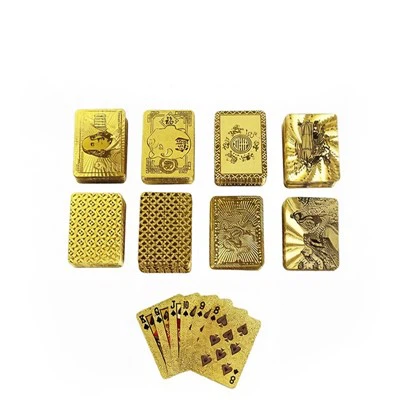
As a supplier of Promo Playing Cards, we offer a wide range of products and services to meet the needs of our customers. We specialize in customizing playing cards with a company's logo, message, and design. Whether you're looking for a simple promotional card or a more elaborate set, we have the expertise and resources to create a high-quality product that meets your specifications.
We also offer a variety of printing options, including offset printing, digital printing, and embossing. This allows us to create playing cards that are not only visually appealing but also durable and long-lasting.


In addition to our custom printing services, we also offer a range of standard playing card designs, including Bridge Sets Playing Cards and Texas Poker Set. These sets are perfect for businesses and individuals who are looking for a high-quality playing card set that can be used for both entertainment and promotional purposes.
Conclusion
The history of promo playing cards is a rich and diverse one that spans centuries. From their humble beginnings in China to their modern-day use as a powerful marketing tool, playing cards have come a long way.
As a supplier of Promo Playing Cards, we are proud to be a part of this history and to offer our customers high-quality, customizable playing cards that can help them achieve their marketing goals. Whether you're a small business looking to promote your brand or a large corporation looking for a unique way to engage with your customers, we have the expertise and resources to create a promotional playing card that meets your needs.
If you're interested in learning more about our products and services, or if you have any questions or concerns, please don't hesitate to contact us. We look forward to working with you and helping you take your marketing campaign to the next level.
References
- Dummett, Michael. The Game of Tarot: From Ferrara to Salt Lake City. Duckworth, 1980.
- McLeod, John. The Book of Playing Cards. Courier Corporation, 2009.
- Parlett, David. A History of Card Games. Oxford University Press, 1991.