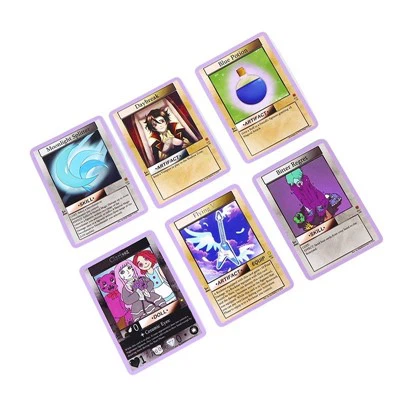

Hey there! I'm a supplier of Educational Playing Cards, and today I wanna share with you how I organize these awesome cards.
First off, let me tell you a bit about the different types of educational playing cards we offer. We've got Blind Box Cards, which are super exciting. You never know what you're gonna get inside. It's like a little surprise every time. You can check them out Blind Box Cards. These cards are not only fun but also educational. They can be used in various games and learning activities.
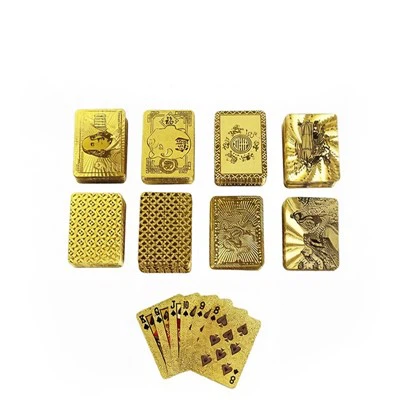
Then there are Merchandise Collectible Cards. These are great for collectors and also for educational purposes. Each card has unique designs and information. You can find more about them Merchandise Collectible Cards. They can be used to teach kids about different themes, like history, science, or even art.
And we also have Irregularly Shaped Cards. These are really cool because they add an extra element of fun to the learning process. You can see them Irregularly Shaped Cards. Their unique shapes make them stand out and can make learning more engaging.
Now, let's talk about how I organize these cards. The first step is categorization. I group the cards based on their themes. For example, I have a category for science cards, another for history cards, and so on. This makes it easier to find the cards when I need them. I also label each category clearly so that anyone who looks at my card storage can quickly understand what's inside.
Next, I use storage containers. I've found that plastic storage boxes with dividers work really well. They keep the cards organized and protected. I can easily separate different categories within the same box using the dividers. And they're stackable, which saves a lot of space.
I also keep an inventory list. This is super important. I write down all the cards I have, including their names, themes, and quantities. This helps me keep track of what I have in stock and what I might need to reorder. It also makes it easier to find specific cards when a customer asks for them.
When it comes to displaying the cards, I have a display area in my store. I use card holders and racks to show off the different types of cards. This makes it easy for customers to see what we have and pick the ones they like. I also change the display regularly to keep things fresh and interesting.
Another thing I do is organize the cards based on their level of difficulty. For example, I have beginner-level cards for younger kids and more advanced cards for older students. This helps parents and teachers choose the right cards for their kids.
I also like to create sets of cards. For example, I might put together a set of science cards that cover different topics like biology, chemistry, and physics. This makes it easier for customers to buy a complete set instead of individual cards.
Now, let's talk about how I manage the shipping and handling of these cards. I make sure to package the cards carefully to prevent any damage during transit. I use bubble wrap and sturdy boxes to protect the cards. I also offer different shipping options, like standard shipping and express shipping, depending on the customer's needs.
I also have a customer service team that's always ready to answer any questions customers might have. Whether it's about the cards, the shipping, or anything else, we're here to help.
If you're interested in our Educational Playing Cards, I'd love to have a chat with you. We can discuss your needs, the different types of cards we offer, and how we can work together. Whether you're a school, a teacher, a parent, or a collector, we've got something for you. So, don't hesitate to reach out and start a conversation about purchasing our amazing educational playing cards.
References:


- Personal experience as an Educational Playing Cards supplier
- Observations from customer interactions and feedback