
Loyalty cards have become an integral part of modern business strategies, serving as a powerful tool for customer retention and brand promotion. As a card supplier, I've witnessed firsthand the evolution and impact of these cards in the market. In this blog, I'll delve into what loyalty cards are, their benefits, types, and how they can be effectively utilized in various industries.
What Are Loyalty Cards?
Loyalty cards, also known as reward cards, are a form of incentive program offered by businesses to encourage repeat purchases and customer loyalty. These cards typically track a customer's spending or engagement with a particular brand and offer rewards, discounts, or other perks in return. They can be physical cards, such as plastic or paper cards, or digital cards stored on a mobile device.
The concept of loyalty cards dates back to the early 20th century when retailers started offering punch cards to customers. These cards would be punched each time a customer made a purchase, and once a certain number of punches were accumulated, the customer would receive a free product or discount. Over the years, loyalty cards have evolved to become more sophisticated, incorporating advanced technologies such as magnetic stripes, barcodes, and RFID chips.
Benefits of Loyalty Cards
For Customers
- Rewards and Discounts: Customers can earn points, cashback, or discounts on future purchases, which can save them money in the long run.
- Personalized Experience: Loyalty programs often offer personalized recommendations and offers based on a customer's purchase history, making the shopping experience more tailored and enjoyable.
- Sense of Exclusivity: Being a part of a loyalty program can make customers feel special and valued, which can enhance their loyalty to the brand.
For Businesses
- Customer Retention: Loyalty cards encourage customers to continue doing business with a brand, reducing customer churn and increasing customer lifetime value.
- Data Collection: Loyalty programs provide businesses with valuable data about their customers' purchasing habits, preferences, and demographics. This data can be used to improve marketing strategies, product development, and customer service.
- Brand Awareness and Promotion: Loyalty cards can help increase brand awareness and attract new customers. When customers share their positive experiences with others, it can lead to word-of-mouth referrals and increased brand visibility.
Types of Loyalty Cards
Points-Based Loyalty Cards
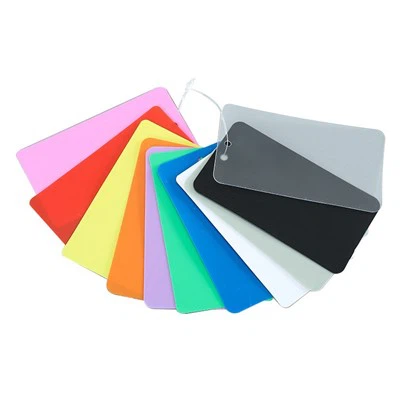
Points-based loyalty cards are the most common type of loyalty card. Customers earn points for every purchase they make, and these points can be redeemed for rewards, such as free products, discounts, or gift cards at Colored PVC Cards. The more points a customer accumulates, the greater the rewards they can receive.
Tiered Loyalty Cards
Tiered loyalty cards offer different levels of rewards and benefits based on a customer's spending or engagement with the brand. Customers start at a basic level and can move up to higher tiers as they accumulate more points or meet certain criteria. Higher tiers often offer more exclusive rewards, such as priority service, early access to new products, or special events.
Cashback Loyalty Cards
Cashback loyalty cards provide customers with a percentage of their purchase amount back in the form of cash or credit. This type of loyalty card is popular among customers who prefer immediate rewards and can be a great way to save money on everyday purchases.


Coalition Loyalty Cards
Coalition loyalty cards are offered by a group of businesses that partner together to offer a shared loyalty program. Customers can earn points at multiple participating businesses and redeem them for rewards at any of the partner locations. This type of loyalty card can be beneficial for both customers and businesses, as it allows customers to earn rewards from a wider range of brands and businesses can attract new customers through the partnership.
How to Implement a Successful Loyalty Card Program
Define Your Objectives
Before implementing a loyalty card program, it's important to define your objectives. Are you looking to increase customer retention, attract new customers, or increase sales? Once you have a clear understanding of your objectives, you can design a loyalty program that aligns with your goals.
Choose the Right Type of Loyalty Card
There are many different types of loyalty cards available, so it's important to choose the one that best suits your business and your customers. Consider factors such as your target audience, the nature of your business, and your budget when selecting a loyalty card type.
Design an Attractive Card
The design of your loyalty card is important, as it can help to attract customers and make your brand stand out. Use high-quality graphics, colors, and fonts to create a card that is visually appealing and easy to read. You can also consider adding your logo, website, and contact information to the card to increase brand awareness.
Promote Your Loyalty Program
Once you have designed your loyalty card and implemented your loyalty program, it's important to promote it to your customers. Use a variety of marketing channels, such as social media, email marketing, in-store signage, and promotions, to let your customers know about your loyalty program and the benefits they can receive.
Monitor and Evaluate Your Program
It's important to monitor and evaluate the performance of your loyalty program on an ongoing basis. Track key metrics, such as customer participation, redemption rates, and sales, to determine the effectiveness of your program. Use this data to make adjustments and improvements to your program as needed.
Case Studies
Starbucks Rewards
Starbucks Rewards is one of the most successful loyalty card programs in the world. Customers earn stars for every purchase they make at Starbucks, and these stars can be redeemed for free drinks, food, and other rewards. The program also offers personalized offers based on a customer's purchase history and preferences, which helps to increase customer engagement and loyalty.
Sephora Beauty Insider
Sephora's Beauty Insider program is another popular loyalty card program. Customers earn points for every purchase they make at Sephora, and these points can be redeemed for free products, exclusive discounts, and other rewards. The program also offers early access to new products, birthday gifts, and other perks, which helps to create a sense of exclusivity among customers.
Conclusion
Loyalty cards are a powerful tool for businesses looking to increase customer retention, attract new customers, and increase sales. By offering rewards, discounts, and other perks, loyalty cards can encourage customers to continue doing business with a brand and build a long-term relationship. As a card supplier, I can provide you with high-quality loyalty cards that are designed to meet your specific needs and requirements. Whether you're looking for Colored PVC Cards, PVC Lanyard Cards, or Animal Learning Cards, I have the expertise and resources to help you create a successful loyalty card program.
If you're interested in learning more about loyalty cards and how they can benefit your business, I encourage you to contact me to discuss your options. I'm happy to answer any questions you may have and provide you with a free consultation. Let's work together to create a loyalty card program that will help you achieve your business goals.
References
Blattberg, R. C., & Deighton, J. (1991). Manage marketing by the customer equity test. Harvard Business Review, 69(4), 136-144.
Kotler, P., & Armstrong, G. (2010). Principles of marketing. Pearson Prentice Hall.
Nunes, J. C., & Drèze, X. (2006). The endowed progress effect: How artificial advancement increases effort. Journal of Consumer Research., 32(4), 504-512.