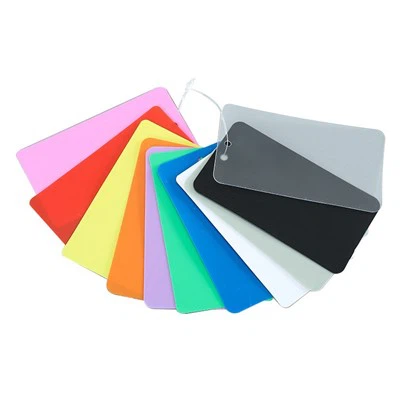

In the dynamic world of content marketing, learning cards have emerged as a powerful tool. As a dedicated learning cards supplier, I've witnessed firsthand the transformative impact these cards can have on engaging and educating audiences. This guide will walk you through the process of creating effective learning cards for content marketing, highlighting the tips and strategies that can help you maximize their potential.
Understanding the Basics of Learning Cards
Learning cards, also known as flashcards, are compact, portable tools that typically feature information on both sides. They can cover a wide range of topics, from educational subjects to industry-specific knowledge. These cards are not only useful for learning and memorization but also serve as a unique and effective content marketing asset.
One of the key advantages of learning cards in content marketing is their ability to break down complex information into bite-sized, easy-to-digest chunks. This makes them ideal for capturing and holding the attention of busy audiences who may not have the time or inclination to read long-form content. Additionally, learning cards can be shared easily on social media, email, or in print, allowing you to reach a wider audience and increase brand visibility.
Defining Your Target Audience and Goals
Before you start creating learning cards, it's essential to define your target audience and goals. Who are you creating these cards for? What do you want them to learn or achieve? Understanding your audience's needs, interests, and learning styles will help you tailor the content and design of your cards to resonate with them.


For example, if your target audience is young children, you might want to create colorful, visually appealing cards with simple text and illustrations. On the other hand, if you're targeting professional adults, you could focus on providing in-depth, industry-specific information in a more concise and professional format.
Your goals for the learning cards will also influence their content and design. Are you looking to increase brand awareness, generate leads, educate your audience, or promote a specific product or service? Clearly defining your goals will help you measure the success of your content marketing campaign and make necessary adjustments along the way.
Choosing the Right Content
Once you have a clear understanding of your target audience and goals, it's time to choose the right content for your learning cards. The content should be relevant, valuable, and engaging to your audience. It should also align with your brand's message and positioning.
When selecting content, consider the following tips:
- Keep it focused: Focus on a single topic or concept per card to avoid overwhelming your audience. This will make it easier for them to understand and retain the information.
- Use clear and concise language: Use simple, straightforward language that is easy to understand. Avoid using jargon or technical terms that may confuse your audience.
- Include visual elements: Visuals can help make your learning cards more engaging and memorable. Consider adding images, charts, graphs, or icons to illustrate key points and make the information more accessible.
- Provide actionable tips or takeaways: Help your audience apply the information they learn from the cards by providing actionable tips or takeaways. This will make the cards more practical and useful.
Designing Effective Learning Cards
The design of your learning cards plays a crucial role in their effectiveness. A well-designed card will not only capture your audience's attention but also make the information easy to read and understand. Here are some design tips to keep in mind:
- Choose a clean and simple layout: A clean and simple layout will make your learning cards look professional and easy to read. Avoid using too many colors, fonts, or graphics, as this can make the cards look cluttered and confusing.
- Use high-quality images and graphics: High-quality images and graphics can help make your learning cards more visually appealing and engaging. Make sure the images are relevant to the content and are clear and sharp.
- Include your brand logo and colors: Including your brand logo and colors on the learning cards will help reinforce your brand identity and make the cards more recognizable.
- Make the cards easy to handle: Consider the size and shape of the learning cards to make them easy to handle and carry around. You may also want to consider adding a hole or slot for easy storage or organization.
Examples of Learning Cards
To give you a better idea of what learning cards can look like, here are some examples of different types of learning cards:
- Alphabet Sounds Flash Cards: These cards are designed for young children to help them learn the sounds of the alphabet. Each card features a letter of the alphabet and an image of an object that starts with that letter, along with the corresponding sound.
- Tarot Cards: Tarot cards are used for divination and spiritual guidance. Each card features a unique image and symbol, along with a corresponding meaning.
- Addition Facts To 20 Flashcards: These cards are designed for students to help them learn addition facts up to 20. Each card features an addition problem on one side and the answer on the other side.
Printing and Distribution
Once you have designed your learning cards, it's time to print and distribute them. There are several options available for printing learning cards, including online printing services, local print shops, or using a home printer.
When choosing a printing option, consider the following factors:
- Quality: Make sure the printing quality is high and that the colors and images are clear and sharp.
- Cost: Compare the costs of different printing options to find the one that fits your budget.
- Quantity: Consider the quantity of learning cards you need to print. Some printing services offer discounts for large orders.
After printing, you can distribute your learning cards in a variety of ways, including:
- Social media: Share your learning cards on social media platforms such as Facebook, Twitter, Instagram, and LinkedIn. You can also create a dedicated Pinterest board to showcase your cards.
- Email marketing: Include your learning cards in your email newsletters or send them as standalone emails to your subscribers.
- Events and trade shows: Hand out your learning cards at events and trade shows to attract new leads and promote your brand.
- Direct mail: Send your learning cards to your existing customers or prospects as a way to stay top of mind and provide them with valuable information.
Measuring the Success of Your Learning Cards
To determine the effectiveness of your learning cards in content marketing, it's important to measure their success. Here are some metrics you can track:
- Engagement: Track the number of views, likes, shares, comments, and downloads of your learning cards on social media and other platforms. This will give you an idea of how engaging your cards are and how well they are resonating with your audience.
- Lead generation: If your goal is to generate leads, track the number of leads generated from your learning cards. You can do this by including a call-to-action (CTA) on the cards and using a lead generation form or landing page to capture the leads.
- Conversion rate: Measure the conversion rate of your learning cards by tracking the number of people who take the desired action, such as making a purchase, signing up for a newsletter, or requesting more information.
- Brand awareness: Monitor the increase in brand awareness by tracking the number of mentions, tags, and shares of your brand on social media and other platforms. You can also use tools such as Google Analytics to track website traffic and see if there is an increase in traffic from the sources where you distributed your learning cards.
Conclusion
Learning cards are a powerful and effective content marketing tool that can help you engage and educate your audience, increase brand visibility, and generate leads. By following the tips and strategies outlined in this guide, you can create high-quality learning cards that are tailored to your target audience and goals.
As a learning cards supplier, I'm here to help you every step of the way. Whether you need help with content creation, design, printing, or distribution, I have the expertise and resources to ensure your learning cards are a success. If you're interested in learning more about our learning cards or would like to discuss your content marketing needs, please don't hesitate to [contact us for a free consultation]. Let's work together to create learning cards that make a lasting impression and drive results for your business.
References
- "Content Marketing Institute." Best practices for content marketing.
- "HubSpot." How to create effective content for your target audience.
- "MarketingProfs." Measuring the success of your content marketing campaigns.