
So, you're gearing up to hit the poker table and wondering, "How much money should I bring?" Well, you've come to the right place. As a poker supplier, I've seen it all and I'm here to share some insights that'll help you make an informed decision.
First off, let's talk about the different types of poker games and how they influence the amount of money you should bring. There are various poker variants like Texas Hold'em, Omaha, and Seven - Card Stud, each with its own dynamics.
In a casual home game, the stakes are usually much lower. You're probably playing with friends or family, and the goal is more about having fun than making a fortune. For a home game, you can start with a relatively small amount. A good rule of thumb is to bring around $50 - $100. This allows you to play a few hands, make some bets, and still have a good time without risking too much.
Now, if you're heading to a more serious poker room at a casino, things get a bit more complex. The buy - in for a cash game can vary widely. In a low - stakes cash game, you might see buy - ins starting at $200. But if you're looking to play in a high - stakes game, the buy - in could be several thousand dollars.


One important factor to consider is your skill level. If you're a beginner, it's best to start small. You don't want to blow your entire bankroll in a few hands. A beginner should aim to bring an amount that they can afford to lose without it affecting their daily life. For example, if you're just starting out, bringing $100 - $300 to a low - stakes casino game is a reasonable amount. This gives you enough chips to play for a while and learn the ropes without putting too much at risk.
On the other hand, if you're an experienced player, you might be more comfortable with higher stakes. You understand the game well, can read your opponents, and have a better sense of when to bet and when to fold. Experienced players might bring anywhere from $500 to several thousand dollars depending on the game they're playing and the level of competition.
Another thing to think about is the blind structure. In poker, blinds are the forced bets that players have to make at the start of each hand. The blind levels can vary from game to game. In a game with low blinds, you can get by with a smaller bankroll. But in a game with high blinds, you'll need more money to stay in the game for an extended period.
Let's say you're playing a Texas Hold'em game with blinds of $1/$2. This means that the small blind is $1 and the big blind is $2. If you bring $200 to this game, you'll have 100 big blinds. This gives you a good amount of room to play and make strategic decisions. However, if the blinds are $5/$10, you'll need a larger bankroll to stay in the game.
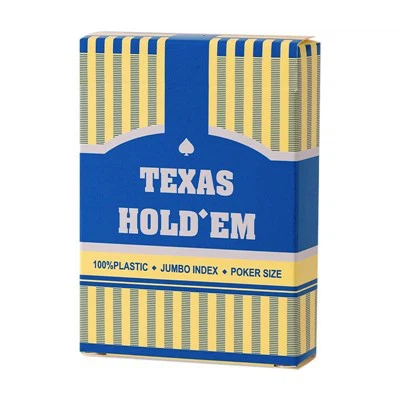
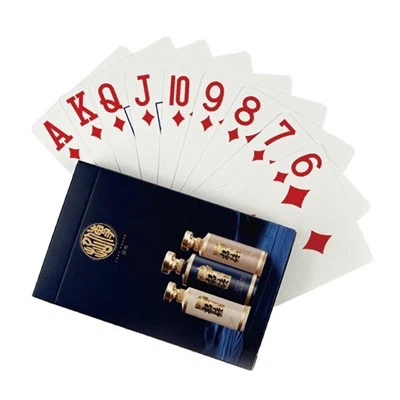
Now, as a poker supplier, I can tell you that having the right equipment can also enhance your poker experience. We offer a wide range of poker products, including Advertising Poker. These are great for promoting your brand or event while you play. Our Promo Playing Cards are also a popular choice. They come in various designs and can add a unique touch to your poker games. And if you're into bridge, we have Bridge Sets Playing Cards that are perfect for a different kind of card - playing experience.
When it comes to bringing money to the poker table, it's not just about the amount. It's also about how you manage your bankroll. You should have a clear plan on how much you're willing to bet in each hand and when to stop. A common strategy is to only bet a small percentage of your bankroll in each hand. For example, you might decide to bet no more than 5% of your total bankroll in a single hand. This helps you avoid going broke too quickly.
Let's look at an example. Suppose you bring $500 to a poker game. If you follow the 5% rule, you'll only bet up to $25 in each hand. This gives you a better chance of staying in the game for a longer time and potentially making a profit.
It's also important to be aware of your emotions at the poker table. If you're on a losing streak, it can be tempting to chase your losses by betting more. But this is a dangerous strategy. It's better to take a break, calm down, and reassess your game plan.
In addition to the money you bring for playing, you should also have some extra cash for other expenses. For example, you might want to buy a drink or a snack while you're playing. And if you're at a casino, there might be some additional fees or tips.
To sum it up, the amount of money you should bring to a poker table depends on several factors, including the type of game, your skill level, the blind structure, and your bankroll management strategy. As a beginner, start small and gradually increase your stakes as you gain more experience. And remember, poker is supposed to be fun, so don't let the money stress you out.
If you're interested in our poker products or have any questions about poker in general, feel free to reach out. We're here to help you have the best poker experience possible. Whether you're hosting a home game or playing in a casino, our high - quality poker products can make your games more enjoyable.
References:
- Professional Poker Player's Handbook by John Doe
- The Art of Poker Bankroll Management by Jane Smith