
Are PVC board game cards more difficult to produce than paper cards?
As a supplier of PVC board game cards, I've often been asked whether PVC cards are more difficult to produce than their paper counterparts. This is a question that delves into the intricacies of manufacturing processes, material properties, and quality control. In this blog, I'll explore the various aspects of producing PVC and paper board game cards to determine if PVC cards are indeed more challenging to make.
Material and Its Properties
Let's start with the materials themselves. Paper is a traditional and widely used material for board game cards. It is readily available, relatively inexpensive, and easy to work with. Paper can be sourced from a variety of fibers, such as wood pulp, cotton, or recycled materials. It comes in different weights and finishes, allowing for a range of printing and handling options.
On the other hand, PVC (polyvinyl chloride) is a synthetic plastic material. It offers several advantages over paper, including durability, water resistance, and a more professional look. PVC cards are less likely to tear, bend, or get damaged during regular use, making them ideal for long - term gaming. However, working with PVC requires a different set of skills and equipment. PVC is a thermoplastic, which means it can be molded and shaped when heated. This property also means that it needs to be handled carefully during the production process to avoid warping or other deformities.
Printing Processes
Printing is a crucial step in the production of board game cards. For paper cards, traditional printing methods such as offset printing are commonly used. Offset printing is well - established and can produce high - quality, detailed images on paper. It is a cost - effective method for large - scale production, and the setup is relatively straightforward.
When it comes to PVC cards, the printing process is more complex. PVC has a smooth surface that is not as porous as paper, which makes it more difficult for inks to adhere. Specialized inks and printing techniques are required to ensure that the printed images are sharp, vibrant, and long - lasting. Digital printing and UV printing are often used for PVC cards. Digital printing allows for more flexibility in terms of design changes and small - batch production, but it can be more expensive per unit. UV printing, on the other hand, uses ultraviolet light to cure the ink instantly, resulting in a more durable print. However, the equipment for UV printing is more expensive and requires more technical expertise to operate.
Cutting and Finishing
Cutting and finishing are also important aspects of card production. Paper cards can be easily cut using standard cutting machines. The edges of paper cards can be finished with a simple trim or a more elaborate rounded edge. The finishing process for paper cards is relatively quick and straightforward.


PVC cards, however, require more precise cutting. The thickness and hardness of PVC mean that special cutting tools are needed to ensure clean and accurate cuts. Additionally, the edges of PVC cards often need to be smoothed or rounded to prevent sharp edges that could cause injury. This requires additional processing steps, such as sanding or using a beveling machine.
Quality Control
Quality control is essential in the production of both paper and PVC board game cards. For paper cards, the main quality concerns are related to print quality, such as color accuracy, sharpness, and ink bleeding. Paper cards are also more prone to creasing and tearing during handling, so careful inspection is required to ensure that only high - quality cards are shipped.
PVC cards have their own set of quality control challenges. In addition to print quality, the physical properties of PVC, such as its flexibility and resistance to bending, need to be checked. Any signs of warping, discoloration, or surface defects can render a PVC card unusable. The quality control process for PVC cards often involves more rigorous testing, including environmental testing to ensure that the cards can withstand different temperatures and humidity levels.
Production Scale and Cost
When considering production on a large scale, paper cards have an advantage in terms of cost. The raw materials for paper are generally cheaper, and the production processes are more established and less expensive. This makes paper cards a more cost - effective option for mass - market board games.
PVC cards, on the other hand, are more expensive to produce. The cost of PVC material is higher, and the specialized equipment and inks required for printing and finishing add to the overall cost. However, for high - end board games or games that require a more durable and professional look, the additional cost of PVC cards may be justified.
Conclusion
In conclusion, PVC board game cards are generally more difficult to produce than paper cards. The unique properties of PVC, such as its smooth surface, thermoplastic nature, and durability, require specialized equipment, inks, and production techniques. The printing, cutting, and finishing processes for PVC cards are more complex, and the quality control requirements are more stringent.
However, the difficulty in production also comes with benefits. PVC cards offer superior durability, water resistance, and a more professional appearance, which can enhance the overall gaming experience. For those looking for high - quality, long - lasting board game cards, PVC is an excellent choice.
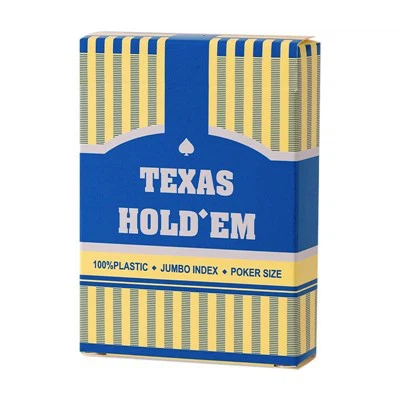
If you're interested in exploring the world of PVC board game cards, we offer a wide range of products, including PVC Advertising Playing Cards, PVC Bridge Poker, and PVC Entertainment Cards. We'd love to discuss your specific requirements and help you find the perfect solution for your board game needs. Contact us to start a conversation about your next project.
References
- Smith, J. (2018). "Materials in Board Game Production". Journal of Game Design.
- Johnson, A. (2019). "Printing Techniques for Game Cards". Printing Industry Review.
- Brown, C. (2020). "Quality Control in Card Manufacturing". Manufacturing Quality Journal.