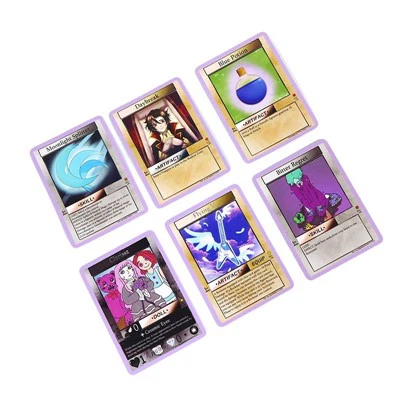

In recent years, the integration of educational tools into after - school programs has become a topic of significant interest among educators, parents, and program coordinators. One such tool that has shown great potential is educational playing cards. As a supplier of Educational Playing Cards, I've witnessed firsthand the benefits these cards can bring to after - school settings.
The Value of Educational Playing Cards in After - School Programs
After - school programs are designed to provide students with additional learning opportunities outside of the regular school day. These programs can range from academic enrichment to recreational activities. Educational playing cards fit well into this diverse landscape.
1. Engaging Learning Experience
Playing cards are inherently engaging. Unlike traditional textbooks or worksheets, cards offer a hands - on and interactive way to learn. For example, math - themed cards can turn arithmetic practice into an exciting game. Students can compete with their peers, which not only makes learning fun but also boosts their motivation. A study by the National Association for the Education of Young Children (NAEYC) found that children are more likely to retain information when it is presented in a game - like format.
2. Skill Development
Educational playing cards can target a wide range of skills. Language - based cards can improve vocabulary, grammar, and reading comprehension. Science cards can teach concepts such as biology, chemistry, and physics in an accessible way. Moreover, playing card games often require strategic thinking, problem - solving, and social skills. When students play card games together, they learn how to take turns, communicate effectively, and collaborate, which are essential life skills.
3. Customizability
One of the advantages of educational playing cards is their customizability. We, as a supplier, can create cards tailored to specific educational goals or age groups. For instance, for younger children, we can design cards with colorful images and simple text to introduce basic concepts. For older students, more complex cards can be developed to cover advanced topics. This flexibility allows after - school programs to choose cards that best suit their curriculum and the needs of their students.
Types of Educational Playing Cards
As a supplier, we offer a variety of educational playing cards to meet different needs.
1. Card Ka Cartoon
Our Card Ka Cartoon collection is specifically designed to appeal to younger children. These cards feature charming cartoon characters and are often used to teach basic skills such as letter recognition, counting, and simple shapes. The bright colors and engaging illustrations make learning a joy for young learners.
2. Premium Board Game Cards
The Premium Board Game Cards are ideal for more in - depth learning. These cards can be used in board games that incorporate educational content. For example, a history - themed board game with these cards can take students on a journey through different eras, teaching them about historical events, figures, and cultures.
3. Irregularly Shaped Cards
Our Irregularly Shaped Cards add an extra element of fun and novelty to the learning experience. The unique shapes make the cards more interesting to handle and can be used to teach spatial awareness in addition to other educational concepts.
Implementing Educational Playing Cards in After - School Programs
1. Planning
Before introducing educational playing cards into an after - school program, it is important to plan carefully. Program coordinators should identify the learning objectives they want to achieve and select the appropriate cards accordingly. They should also consider the number of students, the available time, and the physical space for the activities.
2. Training
Teachers and program staff may need some training on how to use the cards effectively. This could include learning about the rules of the card games, how to facilitate discussions during the games, and how to adapt the activities to different learning levels.
3. Evaluation
Regular evaluation is crucial to ensure that the educational playing cards are having the desired impact. Program coordinators can collect feedback from students and teachers, and assess students' progress in the targeted skills. Based on the evaluation results, adjustments can be made to the card - based activities.
Challenges and Solutions
While educational playing cards offer many benefits, there are also some challenges in using them in after - school programs.
1. Cost
The cost of purchasing educational playing cards can be a concern for some after - school programs, especially those with limited budgets. As a supplier, we offer competitive pricing and sometimes provide bulk discounts. Additionally, we can work with programs to develop cost - effective solutions, such as creating smaller sets of cards that focus on specific skills.
2. Storage and Organization
Keeping track of the cards can be a challenge, especially if there are multiple sets. We recommend using card holders or storage boxes to keep the cards organized. Some of our sets come with their own storage solutions, which can make it easier for programs to manage the cards.


3. Student Engagement
Not all students may be equally interested in card games. To address this, program coordinators can introduce a variety of card games and activities to cater to different interests. They can also involve students in the selection of the card games, which can increase their ownership and engagement.
Conclusion
Educational playing cards have great potential in after - school programs. They offer an engaging, effective, and customizable way to enhance students' learning. As a supplier of Educational Playing Cards, we are committed to providing high - quality products that can support after - school programs in achieving their educational goals.
If you are interested in incorporating our educational playing cards into your after - school program, we would be delighted to have a discussion with you. Contact us to explore how our products can meet your specific needs and contribute to the success of your program.
References
- National Association for the Education of Young Children (NAEYC). (Year). The Importance of Play in Early Childhood Education.