Physical Properties and Functions of Cards
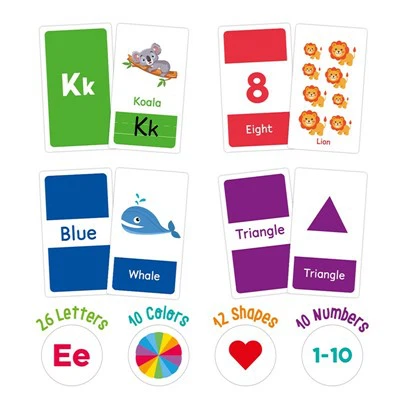
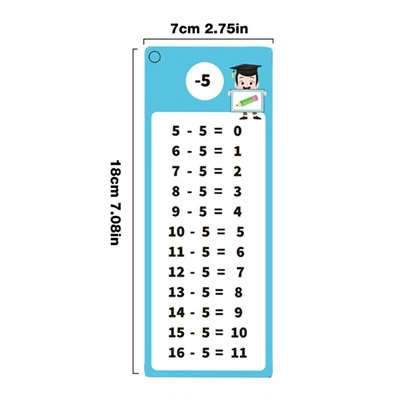
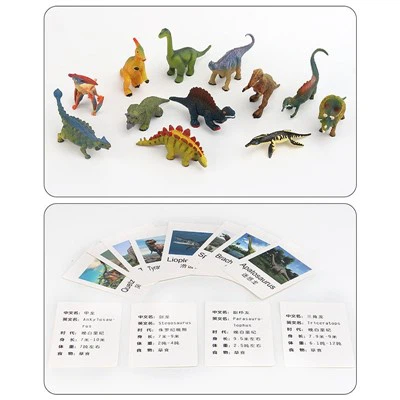
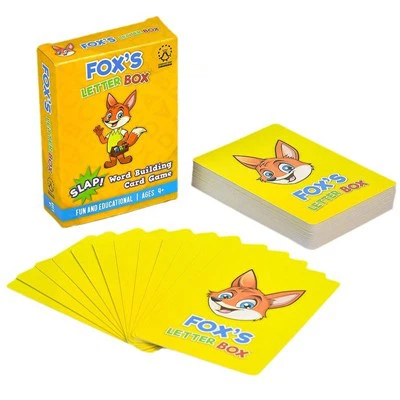
Cards are typically made of paper, plastic, or composite materials, with images, text, or symbols printed on their surface. They are small in size for easy carrying and collection. Their core functions include:
Information Carrying: Early cards were often used for education, games, or identification, such as the numbers and suits on playing cards and the symbolic images on tarot cards. Modern trading card games (TCGs) define character attributes and skill rules through card information; for example, Yu-Gi-Oh! cards indicate attack power, defense power, and effect descriptions.
Game Tool: As a core component of tabletop games, cards provide entertainment through rules such as combination and battles. For example, Magic: The Gathering requires players to build decks and use them strategically, combining entertainment and competition; some card games also incorporate role-playing elements to enhance immersion.
Collectible Value: The scarcity of cards has fueled a collectible market. Taking Ultraman cards as an example, they adopt a blind box sales model. The price of a single basic card is less than 2 yuan, but the probability of rare cards (such as SP cards and XR cards) appearing is as low as 0.05%. Some rare cards can be traded for thousands of yuan in the second-hand market, forming a "small investment, big return" collection logic.