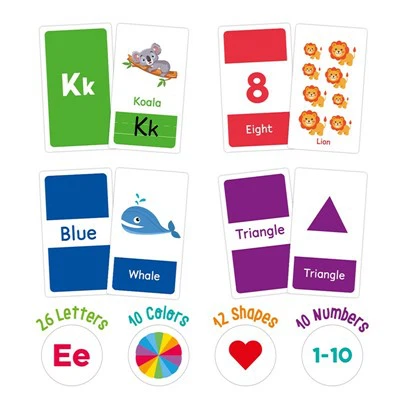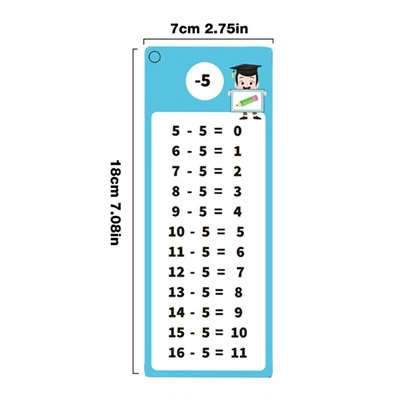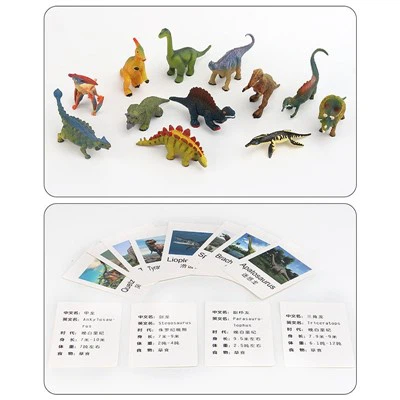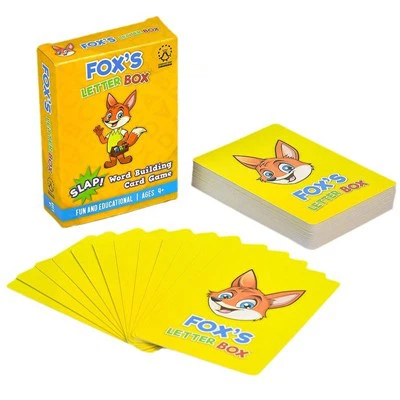
Flashcards are a popular educational tool today, and the printing process is crucial for their quality. Below is an introduction to the flashcard printing process.
First, flashcards need to be designed on computer software before printing, including the theme, color scheme, font, and layout. The importance of this step is self-evident, as it directly determines the card's aesthetics and reading experience.
Second, suitable printing materials need to be selected. Flashcards are typically printed on coated paper or art paper. These two materials have high gloss and stability, resulting in clearer and more vibrant prints.
Then, the printing process begins. Flashcard printing often employs offset printing and digital printing technologies. Offset printing is currently one of the mainstream printing technologies, offering the advantage of large-volume printing with high fidelity and quality. Digital printing, on the other hand, is suitable for small-batch printing, offering high efficiency, strong customization, and print quality not limited by the printing plate.
Finally, post-processing is performed. After printing, flashcards undergo a series of post-processing steps to enhance their quality. The main steps include lamination, die-cutting, creasing, and binding. Lamination enhances the card's gloss and durability; die-cutting and creasing make the card's shape neater and clearer; binding organizes the printed cards for easy storage and carrying.