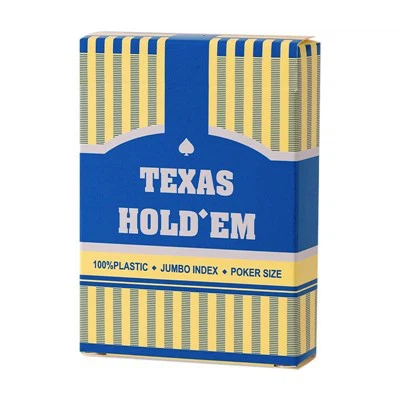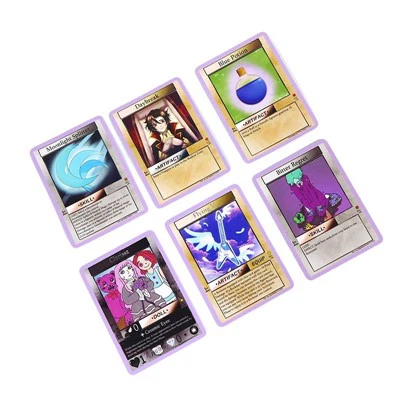

Entertainment cards, a popular form of amusement and collectibles, have been captivating people of all ages for decades. From trading cards featuring beloved characters to educational playing cards, these items offer a unique blend of entertainment and learning. As a supplier of entertainment cards, I've witnessed firsthand the growing demand for these products. However, it's essential to consider the environmental impacts associated with their production, distribution, and disposal. In this blog post, we'll explore the various environmental aspects of entertainment cards and discuss potential solutions to minimize their ecological footprint.
Production of Entertainment Cards
The production of entertainment cards involves several stages, each with its own environmental implications. The primary material used in card manufacturing is paper, which is typically sourced from trees. Deforestation is a significant concern, as it leads to habitat loss, soil erosion, and a decrease in biodiversity. According to the World Wildlife Fund, deforestation accounts for approximately 15% of global greenhouse gas emissions.
To address this issue, many card manufacturers are turning to sustainable forestry practices. These practices ensure that trees are harvested in a way that maintains the health and productivity of the forest. For example, some companies use certified sustainable wood sources, such as those certified by the Forest Stewardship Council (FSC). FSC certification guarantees that the wood comes from well-managed forests that meet strict environmental and social standards.
In addition to paper, entertainment cards often require inks, coatings, and adhesives. These chemicals can have harmful effects on the environment if not properly managed. Some inks contain heavy metals, such as lead and mercury, which can contaminate soil and water. To mitigate these risks, manufacturers are increasingly using eco-friendly inks and coatings that are free from harmful chemicals.


Distribution of Entertainment Cards
Once the entertainment cards are produced, they need to be distributed to retailers and consumers. This process involves transportation, which contributes to greenhouse gas emissions. The type of transportation used, such as trucks, ships, or airplanes, can have a significant impact on the environment. For example, air freight is the most carbon-intensive mode of transportation, while sea freight is the least carbon-intensive.
To reduce the environmental impact of distribution, some card suppliers are implementing strategies to optimize their supply chain. This may include consolidating shipments, using more fuel-efficient vehicles, and choosing transportation modes with lower carbon emissions. Additionally, suppliers can encourage retailers and consumers to choose more sustainable shipping options, such as ground shipping instead of air shipping.
Disposal of Entertainment Cards
When entertainment cards reach the end of their useful life, they often end up in landfills. This can be a significant environmental problem, as paper and other materials used in card production can take a long time to decompose. In addition, some cards may contain non-biodegradable materials, such as plastic coatings or metallic foils, which can persist in the environment for centuries.
To address this issue, it's important to promote recycling and proper disposal of entertainment cards. Many recycling facilities accept paper products, including cards, as long as they are clean and free from contaminants. Some card suppliers are also exploring innovative ways to recycle and reuse their products. For example, they may offer take-back programs or partner with recycling companies to ensure that cards are properly recycled.
Environmental Impact of Different Types of Entertainment Cards
Let's take a closer look at the environmental impact of different types of entertainment cards:
Card Ka Cartoon
Card Ka Cartoon is a popular type of entertainment card that features colorful cartoon characters. These cards are typically made from paper and printed with inks. While the production of these cards may have some environmental impact, it can be minimized by using sustainable materials and eco-friendly inks. Additionally, promoting recycling and proper disposal of these cards can help reduce their environmental footprint.
Educational Playing Cards
Educational Playing Cards are designed to provide educational value while also being entertaining. These cards are often made from high-quality paper and may include additional features, such as laminated surfaces or embossed designs. The production of educational playing cards may require more resources and energy compared to regular cards. However, the educational benefits they provide can outweigh the environmental impact. To minimize the environmental impact, manufacturers can use sustainable materials and implement energy-efficient production processes.
Blind Box Cards
Blind Box Cards are a type of collectible card that is sold in sealed boxes. The excitement of not knowing which card you will get adds to the appeal of these cards. However, the packaging used for blind box cards can contribute to waste. To reduce the environmental impact, manufacturers can use minimal and recyclable packaging materials. Additionally, consumers can be encouraged to recycle the packaging after opening the box.
Solutions to Minimize the Environmental Impact
As a supplier of entertainment cards, I am committed to minimizing the environmental impact of our products. Here are some solutions that we are implementing:
- Use Sustainable Materials: We source our paper from certified sustainable forests and use eco-friendly inks and coatings. This helps reduce the environmental impact of our card production.
- Optimize the Supply Chain: We work with our partners to optimize our supply chain and reduce the carbon emissions associated with transportation. This includes consolidating shipments, using more fuel-efficient vehicles, and choosing transportation modes with lower carbon emissions.
- Promote Recycling and Proper Disposal: We encourage our customers to recycle our cards and packaging materials. We also provide information on how to properly dispose of our products to minimize their environmental impact.
- Innovate and Improve: We are constantly looking for ways to innovate and improve our products and processes to reduce their environmental impact. This includes exploring new materials, production techniques, and packaging solutions.
Conclusion
Entertainment cards are a popular form of amusement and collectibles, but they also have environmental implications. As a supplier of entertainment cards, it's our responsibility to minimize the environmental impact of our products. By using sustainable materials, optimizing the supply chain, promoting recycling and proper disposal, and innovating and improving our products and processes, we can reduce the ecological footprint of entertainment cards.
If you're interested in purchasing entertainment cards or have any questions about our products, please feel free to contact us. We're happy to discuss your needs and provide you with more information.
References
- World Wildlife Fund. (n.d.). Deforestation and Forest Degradation. Retrieved from https://www.worldwildlife.org/threats/deforestation-and-forest-degradation
- Forest Stewardship Council. (n.d.). What is FSC Certification? Retrieved from https://us.fsc.org/en-us/what-is-fsc-certification