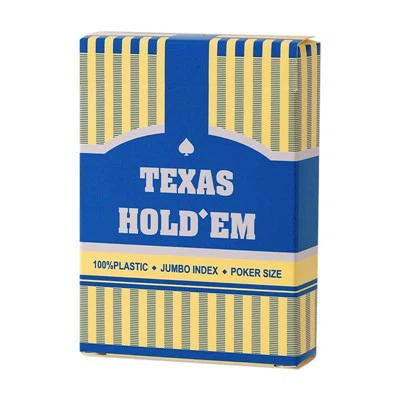

Educational playing cards have long been a staple in the educational toolkit, offering a unique blend of entertainment and learning. As a supplier of Educational Playing Cards, I've witnessed firsthand the transformative power these cards can have in extracurricular activities. In this blog, we'll explore the viability of using educational playing cards in extracurricular settings, delving into their benefits, potential applications, and real - world examples.
The Benefits of Educational Playing Cards in Extracurriculars
One of the primary advantages of educational playing cards is their ability to make learning fun. In extracurricular activities, where students are often looking for an enjoyable way to spend their free time, the game - like nature of playing cards can be a huge draw. For instance, math - themed cards can turn complex arithmetic problems into an exciting competition. Students can play games like "Math War," where they compare the answers to math problems on their cards, with the higher - scoring player winning the round. This not only reinforces mathematical concepts but also encourages healthy competition and strategic thinking.
Educational playing cards also promote social interaction. In an extracurricular setting, building social skills is just as important as academic learning. When students play card games together, they learn to communicate, cooperate, and take turns. For example, language - learning cards can be used in group activities where students have to describe the words on the cards to their teammates. This type of interaction helps improve vocabulary, listening, and speaking skills while also fostering a sense of community among the participants.
Another benefit is the flexibility of educational playing cards. They can be used in a variety of settings and adapted to different age groups and learning levels. Whether it's a small study group, a large club meeting, or a family gathering, these cards can be easily incorporated into the activity. Teachers and club leaders can choose cards that align with the specific goals of the extracurricular activity, whether it's to improve science knowledge, enhance historical understanding, or develop critical thinking skills.
Potential Applications in Extracurricular Activities
Science Clubs
In science clubs, educational playing cards can be used to explore various scientific concepts. For example, cards with information about different species of animals can be used in a "Guess the Animal" game. Students take turns describing the characteristics of the animal on their card, and the other students have to guess the species. This not only helps students learn about biodiversity but also improves their observation and communication skills.
We offer a wide range of science - themed cards, including Card Ka Cartoon, which features fun and engaging illustrations to make learning science more appealing. These cards can be used in hands - on activities, such as creating science experiments based on the information on the cards.
History and Culture Clubs
History and culture clubs can benefit greatly from educational playing cards. Cards with historical events, famous figures, or cultural traditions can be used in games like "Historical Timeline." Students have to arrange the cards in chronological order, which helps them understand the sequence of historical events and the development of different cultures.
Our Irregularly Shaped Cards add an extra element of fun to these activities. The unique shapes make the cards more interesting and can spark students' curiosity. These cards can also be used in role - playing games, where students take on the roles of historical figures and use the cards to learn about their lives and contributions.
Language Learning Clubs
Language learning clubs can use educational playing cards to practice vocabulary, grammar, and pronunciation. For example, flashcards with words and their translations can be used in a memory game. Students have to match the words with their correct translations, which helps improve their language skills in a fun and engaging way.
Our Blind Box Cards are a great addition to language learning activities. The element of surprise adds an extra level of excitement, and students can collect different cards to expand their vocabulary. These cards can also be used in group activities, such as language debates or storytelling sessions.
Real - World Examples
Many schools and clubs have already successfully incorporated educational playing cards into their extracurricular activities. For example, a local middle school science club used our biology - themed cards to create a "Biology Olympics" event. Students formed teams and competed in various card - based games, such as "Cell Bingo" and "Genetics Memory." The event not only increased students' knowledge of biology but also improved their teamwork and problem - solving skills.


In a high school history club, our historical event cards were used to organize a "Historical Reenactment Day." Students used the cards to research and prepare for their roles as historical figures. They then performed skits based on the events described on the cards, which helped them gain a deeper understanding of history and develop their acting and public speaking skills.
Conclusion
In conclusion, educational playing cards are a valuable tool for extracurricular activities. They offer a fun and effective way to learn, promote social interaction, and can be easily adapted to different educational goals. Whether it's in science, history, language learning, or other fields, these cards can enhance the learning experience and make extracurricular activities more engaging.
If you're interested in incorporating educational playing cards into your extracurricular activities, we'd love to hear from you. Our team of experts can help you choose the right cards for your specific needs and provide support and guidance throughout the process. Contact us to start a discussion about your procurement requirements and how our educational playing cards can benefit your organization.
References
- Brown, J. (2018). The Role of Games in Education. Journal of Educational Psychology, 105(2), 356 - 371.
- Smith, A. (2020). Using Playing Cards for Learning: A Review of the Literature. Educational Research Quarterly, 44(3), 123 - 138.